Bentley and Rolls-Royce are not cars in the classic sense of the word. They are driving symbols of British elegance, comfort and refinement. Every detail is designed with one goal: an effortless, serene driving experience. This is precisely why the steering rack plays a crucial role. The steering feel must be light, precisely metered and completely free of restlessness. When that feeling disappears, an important part of the car's character disappears.
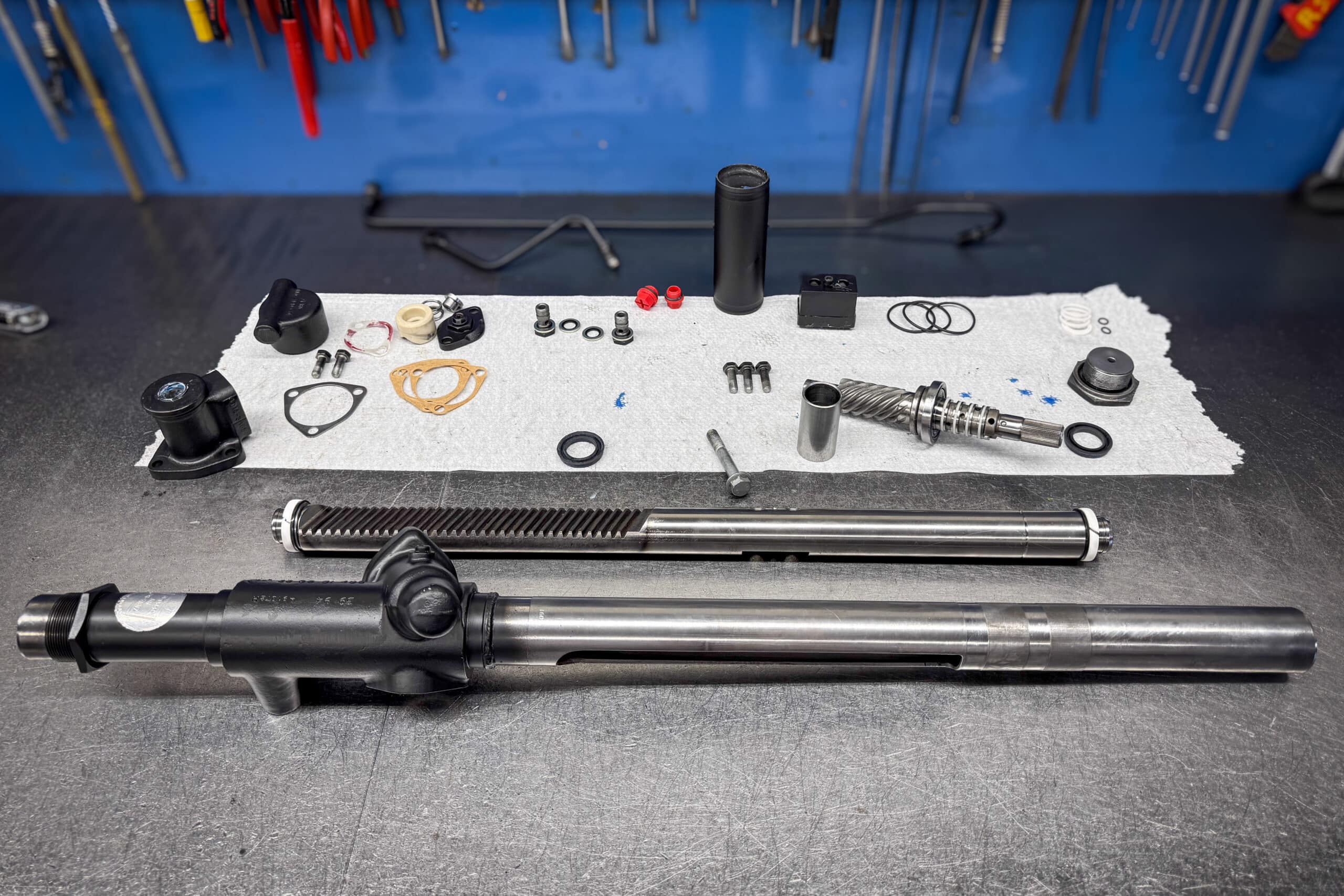
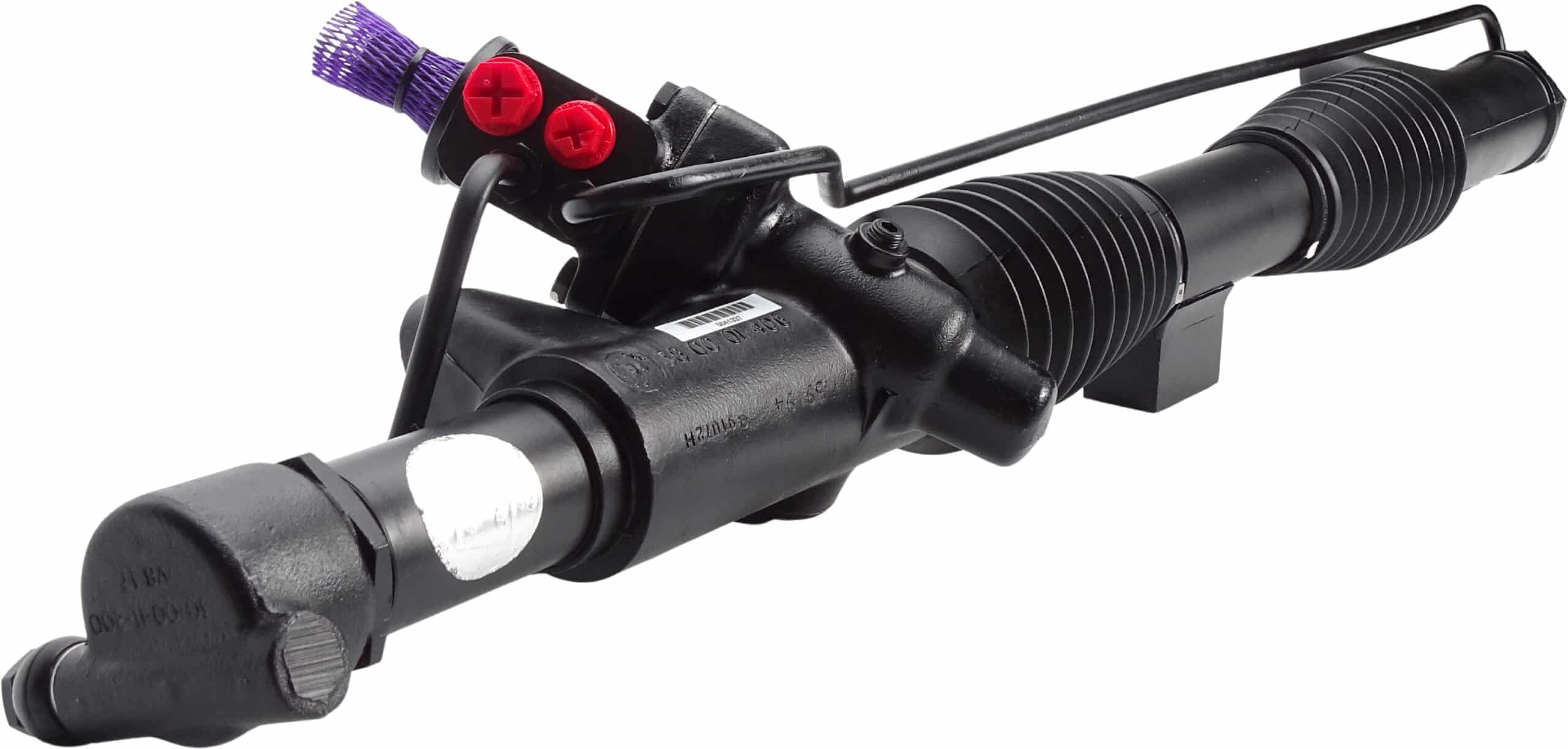
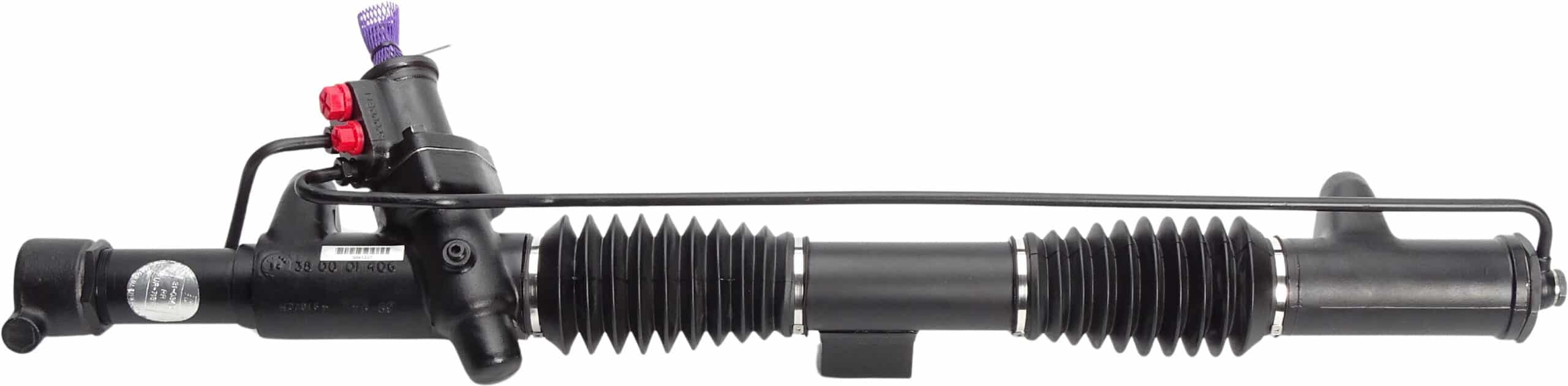
At Auto Elect, we see this regularly on classic Bentley and Rolls-Royce models. Complaints such as backlash, leakage or a fuzzy steering feel are often the first sign that the steering rack has lost its optimal function. New steering boxes are virtually unavailable, and if they turn up at all, they are scarce and expensive. Overhaul is then not only a wise choice, but often the only way to restore the original driving comfort.
Why Bentley and Rolls-Royce wheelhouses are so unique
Whereas modern vehicles are largely built from standardized components, Bentley and Rolls-Royce are the opposite. Many steering boxes are developed specifically for one model or even one version. They are heavier duty, with different tolerances and a tuning entirely focused on comfort and stability.
The steering feel should be smooth. No immediate sporty feedback, but a controlled and calm response that exudes confidence. With these cars, steering is not about sharpness, but about control and suppleness. This makes the overhaul of these steering boxes specialist work, where experience with classic systems is essential.